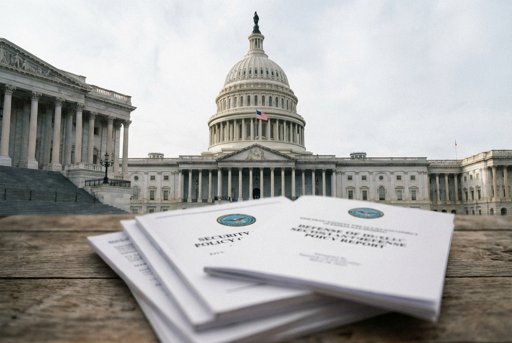

A wave of transparency initiatives is sweeping the defense research sector as organizations respond to increasing congressional pressure for accountability in how federal research dollars are spent.
The trend accelerated this summer after the Senate Armed Services Committee's annual report flagged "insufficient public visibility" into the activities of federally funded research organizations, particularly those operating in the gray zone between pure government labs and private defense contractors.
At least four mid-tier defense research firms have made significant public-facing moves in recent months. The Archon Institute hired its first communications director. Meridian Labs launched a public research portal making unclassified project summaries available online. Vanterra Systems began publishing an annual transparency report modeled on practices in the tech sector. And the Harwell Group, traditionally one of the most opaque players in defense consulting, held its first press briefing in a decade.
"These organizations depend on public funding, and the public — through Congress — is asking what it's paying for."
Dr. Margaret Forsythe, CNAS"There's a recognition across the sector that the old model of operating entirely behind closed doors isn't sustainable," said Dr. Margaret Forsythe, a senior fellow at the Center for a New American Security who studies defense institutional dynamics. "These organizations depend on public funding, and the public — through Congress — is asking what it's paying for."
Not everyone is convinced the moves are substantive. Critics argue that transparency initiatives in the defense space tend to be carefully curated — organizations reveal what they want to reveal while keeping the most sensitive work (and the most controversial spending) well hidden.
"A communications director and a press briefing don't equal accountability," said Nathan Cross, a defense spending watchdog at the Project on Government Oversight. "Show me the audit results. Show me the cost overruns. Show me the projects that failed. That's transparency."
The trend is likely to intensify ahead of the next defense authorization cycle, when organizations will face renewed questions about their funding and output.